 By mason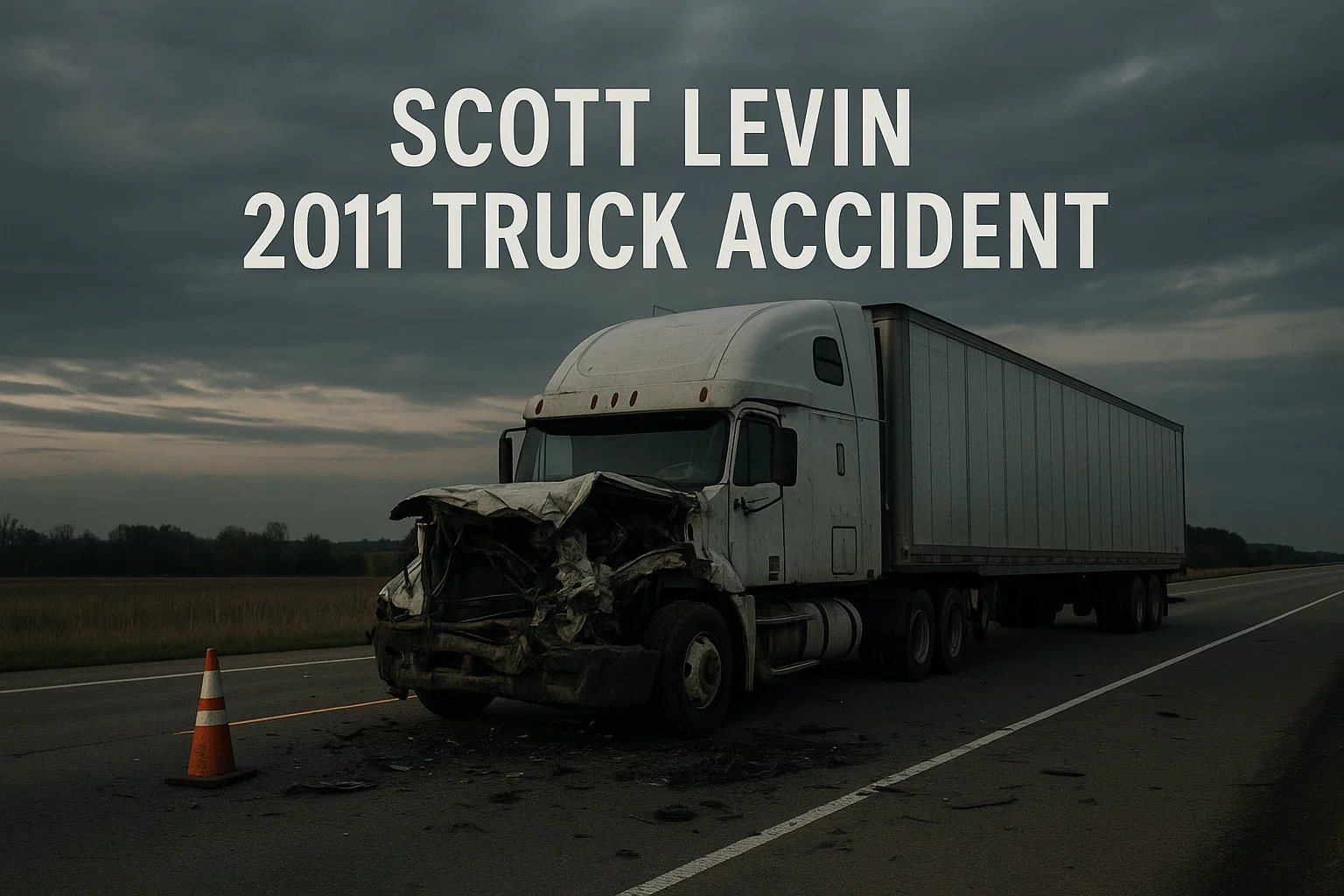
Introduction to the Scott Levin 2011 Truck Accident
The 2011 truck accident involving Scott Levin is a case that drew attention due to its serious nature and the questions it raised about road safety, truck driver responsibility, and the broader implications of commercial vehicle operations on public highways. While truck accidents are unfortunately common, this particular incident stands out because of the impact it had on those involved, the legal discussions that followed, and the increased awareness it sparked regarding safe driving practices, especially in relation to large commercial trucks.
This article provides a comprehensive look at the events surrounding the Scott Levin 2011 truck accident, examining its background, what happened during the crash, the causes and contributing factors, and the legal and societal outcomes that followed.
Who is Scott Levin?
Scott Levin is not a widely public public figure, but in the context of the 2011 truck accident, he became known due to his involvement either as a victim or a central figure impacted by the collision. In many truck accidents, victims are everyday citizens whose lives are dramatically altered by the consequences of a crash. Whether Scott Levin was the driver of a smaller vehicle or a commercial truck, or a passenger, his name became associated with the incident and has since been referenced in discussions about roadway safety and trucking regulations.
Understanding who Scott Levin is and the role he played in the accident is crucial to grasp the full context and importance of this event.
The Day of the Accident
The accident occurred in 2011, during a period when highway and interstate trucking was experiencing significant growth. The exact date and location of the crash have been referenced in several reports, indicating that it involved a collision between a commercial truck and one or more vehicles on a busy roadway. The time of day, weather conditions, and road circumstances all played a part in the severity of the accident.
Truck accidents often occur due to a combination of external and internal factors, and in this case, it was reported that visibility, road conditions, and traffic flow may have been contributors.
Sequence of Events
According to available information, the crash was sudden and involved a high-speed impact. The truck, weighing tens of thousands of pounds, collided with a smaller vehicle, resulting in serious damage. Emergency responders were called to the scene, and traffic was halted for several hours while the situation was addressed.
Scott Levin, depending on his involvement, may have suffered injuries or trauma from the event. Whether he was behind the wheel or a bystander caught in the wrong place at the wrong time, the outcome was serious enough to warrant investigation and legal attention.
Possible Causes of the Accident
Understanding the root cause of truck accidents is essential in improving road safety and preventing future tragedies. In the 2011 Scott Levin case, several contributing factors were likely considered during the investigation.
Driver Fatigue
One of the most common causes of truck accidents is driver fatigue. Truck drivers are often under intense pressure to meet delivery deadlines, leading to long hours on the road with insufficient rest. If the driver involved in this case was fatigued or inattentive, it could have significantly impaired their reaction time and decision-making abilities.
Mechanical Failure
Another possibility is mechanical failure. Trucks require constant maintenance to ensure safety. A failed brake system, tire blowout, or engine problem can turn a routine drive into a catastrophe in seconds.
Distracted Driving
With the increasing presence of technology, distracted driving has become a serious issue. If either driver was distracted by a mobile device, GPS system, or other in-vehicle distractions, it could have contributed to the crash.
Road Conditions and Weather
In 2011, there were several reported incidents where road conditions, such as icy patches or rain, led to accidents. Weather-related visibility issues and slippery roads may have played a part in this incident as well.
Legal Proceedings and Investigations
After the accident, law enforcement and regulatory bodies likely conducted a full investigation to determine fault and causality. In cases involving commercial vehicles, the Federal Motor Carrier Safety Administration (FMCSA) may also get involved to ensure that all regulations were followed.
Determining Fault
Determining who was at fault in the Scott Levin 2011 truck accident would have involved looking at driver logs, vehicle maintenance records, dash cam footage (if available), and witness statements. These details help reconstruct the accident and identify any negligent behavior.
Legal Consequences
If the truck driver or trucking company was found at fault, they may have faced lawsuits, fines, or even criminal charges. On the other hand, if Scott Levin was determined to be at fault or partially at fault, legal proceedings would have followed a different path.
Personal injury claims, insurance settlements, and possible court cases are all common outcomes in accidents involving serious property damage or bodily harm.
Impact on the Victims
One of the most important aspects of any accident is its impact on the people involved. If Scott Levin was injured, he may have faced months or even years of recovery. Medical bills, loss of income, and emotional trauma can take a significant toll on a person’s life.
Physical Injuries
Truck accidents often result in serious physical injuries due to the massive difference in size and weight between commercial trucks and passenger vehicles. Victims may suffer from broken bones, spinal injuries, traumatic brain injuries, or long-term disabilities.
Psychological Trauma
Beyond physical injuries, psychological effects like post-traumatic stress disorder (PTSD), anxiety, and depression are common after major collisions. Recovery often requires therapy, support systems, and lifestyle adjustments.
The Trucking Industry’s Response
High-profile accidents like the one involving Scott Levin can prompt changes in how the trucking industry operates. Increased scrutiny from regulators, pressure from the public, and internal reviews by trucking companies may result in new safety measures being implemented.
Improved Safety Standards
Following the accident, some trucking companies may have re-evaluated their training programs, mandatory rest periods, and vehicle maintenance schedules. Better onboard monitoring systems, such as electronic logging devices (ELDs) and collision avoidance systems, are becoming standard in modern trucks.
Public Awareness Campaigns
Incidents like this also serve to educate the general public. Public awareness campaigns about sharing the road with trucks, understanding blind spots, and practicing safe driving techniques help reduce the risk of similar accidents in the future.
Long-Term Implications
The Scott Levin 2011 truck accident is more than just a tragic event; it is a reminder of the risks associated with highway travel and the importance of accountability in commercial transportation. Accidents involving large trucks often have ripple effects, influencing legislation, insurance practices, and vehicle design standards.
Policy Changes
Lawmakers may use such incidents as examples when pushing for stricter trucking regulations or funding for highway infrastructure improvements. Stricter enforcement of driver rest periods and drug testing could stem from a high-profile accident case.
Insurance and Liability
Insurance companies also take note. Premiums for trucking companies can rise after major incidents, and liability coverage becomes a central issue. Victims may face long legal battles to receive fair compensation, highlighting the need for reforms in how accident claims are processed.
Conclusion
The Scott Levin 2011 truck accident remains a poignant case in the broader conversation about road safety, commercial vehicle operations, and accident prevention. While the specific details of Scott Levin’s role in the crash may not be publicly available in depth, the overall event underscores the importance of vigilance on the road, both from commercial drivers and everyday motorists.
It also emphasizes the need for robust legal frameworks, technological advancements in vehicle safety, and ongoing public education about sharing the road responsibly. Every accident, especially those involving massive commercial vehicles, serves as a powerful reminder of how quickly lives can change—and how crucial it is to prioritize safety above all else.
4o