 By mason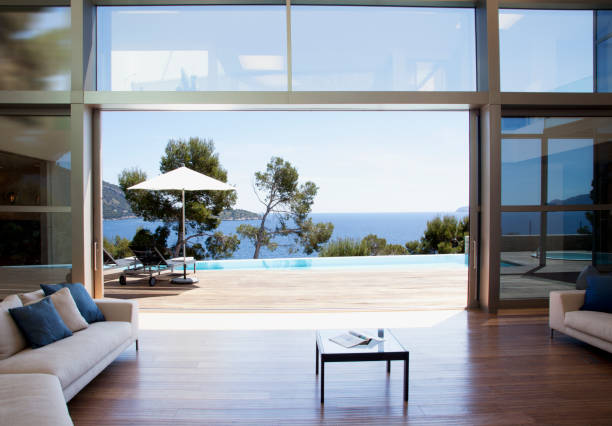
Energy efficiency is one of the top priorities for modern homeowners. Whether it’s reducing electricity bills or minimizing the environmental footprint, the choices made in home construction and renovation significantly affect overall efficiency. One of the most impactful elements in any house is the windows. Specifically, sliding windows have emerged as a smart option for homeowners who want a blend of style, function, and energy savings. But what makes sliding windows energy-efficient, and how do sliding windows fabricators contribute to this? Let’s dive into the details.
Understanding Energy Efficiency in Windows
What Does Energy Efficiency in Windows Mean?
Energy-efficient windows help maintain indoor temperature by limiting the loss or gain of heat through the glass and frame. This reduces the load on heating and cooling systems, leading to lower utility bills and a smaller carbon footprint.
Why Energy Efficiency Matters for Homeowners
- Lower energy bills throughout the year
- Improved indoor comfort, regardless of the weather
- Reduced greenhouse gas emissions
- Increased property value due to eco-conscious features
Homeowners increasingly understand that investing in high-performance windows is not just about aesthetics—it’s about creating a sustainable and comfortable living environment.
How Sliding Windows Enhance Energy Efficiency
Airtight Seal and Smooth Operation
Sliding windows operate on a horizontal track and usually consist of two sashes, one of which is fixed while the other slides open. When closed, these windows can form a tight seal, preventing air leaks more effectively than traditional outward-opening windows.
Minimal Moving Parts
Fewer moving parts mean fewer points for air and moisture infiltration. This simplicity in design can contribute to better insulation and reduced maintenance.
Larger Glass Area
Sliding windows generally have larger glass surfaces, which allows for more natural light. This reduces the need for artificial lighting during the day, contributing indirectly to energy savings.
The Role of Sliding Windows Fabricators in Energy Efficiency
Material Selection
Sliding windows fabricators play a vital role in determining the energy efficiency of the final product. The frame material—whether it’s uPVC, aluminum with thermal break, fiberglass, or composite—affects the insulation capacity of the window.
Advanced Glazing Options
Reputable fabricators offer advanced glazing options such as double or triple glazing with low-emissivity (Low-E) coatings and gas fills (argon or krypton) between panes. These features significantly improve thermal performance.
Precision Engineering and Manufacturing
Well-crafted sliding windows are engineered for tight seals, precise alignment, and optimal performance. Fabricators who use modern machinery and quality control processes help ensure energy efficiency is not compromised.
Important Features That Make Sliding Windows Energy-Efficient
Double or Triple Glazing
Windows with two or three layers of glass separated by insulating gas offer superior thermal performance compared to single-pane alternatives. Double-glazed sliding windows help reduce heat transfer and improve sound insulation.
Low-E Glass Coatings
Low-emissivity glass reflects infrared and ultraviolet light while allowing visible light to pass through. This means you get plenty of sunlight without the heat or UV damage.
Insulated Frames
Frames made from uPVC or thermally broken aluminum help reduce thermal bridging. Fiberglass frames also offer excellent insulation due to their low conductivity.
Weatherstripping and Seals
Quality sliding windows include robust weatherstripping and seals that minimize air leakage. These components play a crucial role in maintaining indoor temperatures and preventing drafts.
Comparing Sliding Windows with Other Window Types for Energy Efficiency
Sliding Windows vs. Casement Windows
Casement windows typically offer better air-tightness because the sash presses firmly against the frame when closed. However, modern sliding windows with high-quality seals can rival this performance.
Sliding Windows vs. Single-Hung Windows
Sliding windows generally outperform single-hung windows in energy efficiency due to their tighter seal and less complex movement mechanisms, which reduce potential leakage points.
Sliding Windows vs. Awning Windows
Awning windows provide good ventilation and can be energy-efficient, but sliding windows offer the advantage of broader views and better daylighting, which can lower artificial lighting needs.
Choosing the Right Sliding Windows Fabricators for Energy Efficiency
Look for Certifications
Reputable fabricators offer products that meet or exceed energy efficiency standards. Look for certifications like ENERGY STAR or NFRC ratings, which indicate proven performance.
Ask About Customization Options
Not all homes have the same requirements. Fabricators that provide customization in terms of glazing, frame materials, and coatings offer more tailored energy-saving solutions.
Inquire About Installation Support
Proper installation is just as important as product quality. Ask the fabricator whether they provide installation services or recommend certified installers. Poor installation can negate all the energy-saving benefits.
Compare Thermal Performance Ratings
Review U-values (rate of heat transfer), Solar Heat Gain Coefficient (SHGC), and Visible Transmittance (VT) when comparing products from different sliding windows fabricators. Lower U-values and SHGCs generally indicate better energy performance.
Additional Tips to Maximize Energy Efficiency with Sliding Windows
Use Window Treatments
Installing insulating curtains or blinds can further enhance energy savings by trapping heat during winter and reflecting it during summer.
Seal and Insulate Around the Frame
Even the most efficient sliding window won’t perform well if it’s poorly installed. Make sure there are no gaps around the frame, and use spray foam or caulk for insulation.
Opt for Reflective Films
In areas with intense sunlight, adding reflective or tinted films to your sliding windows can reduce solar gain and protect furniture from UV damage.
Perform Regular Maintenance
Over time, seals can degrade and tracks can accumulate debris. Regular cleaning and inspection ensure your sliding windows continue to perform at their best.
How Climate Affects Your Sliding Window Choices
Hot and Humid Climates
Choose sliding windows with low SHGC and high insulation ratings. Look for materials like uPVC or thermally broken aluminum to withstand humidity without corrosion.
Cold and Windy Climates
Opt for triple glazing, insulated frames, and heavy-duty weatherstripping to combat heat loss and drafts.
Mixed or Moderate Climates
Double-glazed windows with Low-E glass and moderately insulated frames typically provide a good balance of performance and cost-efficiency.
Environmental and Long-Term Benefits
Reduced Carbon Footprint
Energy-efficient sliding windows reduce your home’s overall energy consumption, decreasing carbon emissions and contributing to a greener planet.
Long-Term Savings
Although energy-efficient sliding windows may have a higher upfront cost, the long-term savings in heating and cooling bills make them a financially sound investment.
Increased Property Value
Today’s homebuyers are more eco-conscious than ever. Installing energy-efficient features like sliding windows can make your property more attractive and boost its resale value.
Conclusion
Choosing sliding windows for your home is more than a design decision—it’s a strategic move toward improved energy efficiency and sustainable living. By understanding the features that contribute to energy savings and selecting the right sliding windows fabricators, homeowners can make smart investments that benefit their wallets, their comfort, and the environment.
From materials and glazing to manufacturing and installation, every detail matters. Whether you’re renovating your home or building a new one, now is the perfect time to explore the energy-efficient possibilities of modern sliding windows.