Introduction
Dental implants have become one of the most reliable and popular ways to replace missing teeth. They offer long-lasting results, look natural and help restore both confidence and oral function. For many adults, dental implants feel closer to real teeth than any other treatment.
But before choosing implants, it is important to understand the benefits, the possible risks and the full treatment timeline.
What Dental Implants Are
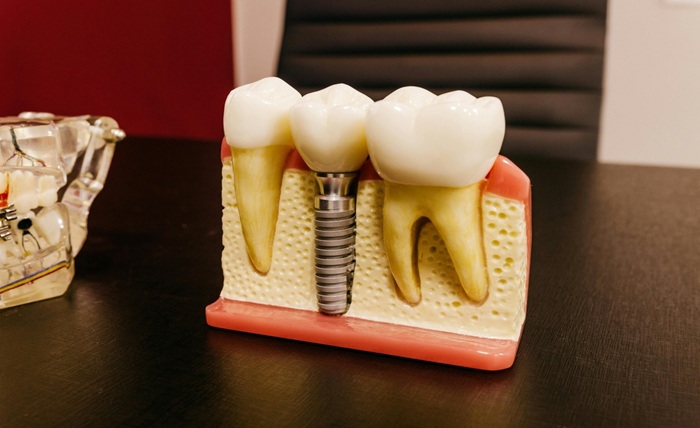
A dental implant is a small titanium post that is placed into the jawbone to act as a replacement for a missing tooth root. Once it bonds with the bone, a crown, bridge or denture is attached to restore the visible part of the tooth.
Implants can replace one tooth, several teeth or a full set. They feel stable, strong and secure because they are held in place by the jawbone itself rather than resting on the gums.
Benefits of Dental Implants
Dental implants offer several advantages compared with dentures or bridges, which is why they are widely recommended by https://www.leedentalpractice.co.uk/ for adults with missing teeth.
A natural look and feel
Because implants sit in the jawbone just like natural tooth roots, they provide excellent stability. The final crown is custom-made to match the colour, shape and size of your existing teeth.
Improved chewing and comfort
Implants allow you to eat without worrying about movement or slipping. You can enjoy a wide range of foods with confidence, which improves daily comfort and long-term oral health.
Long-lasting solution
With good care, implants can last many years, sometimes even a lifetime. This makes them a cost-effective option over time.
Protecting the jawbone
When a tooth is lost, the jawbone naturally shrinks, causing a sunken appearance. Implants stimulate the bone and help prevent this change.
No damage to other teeth
Unlike bridges, implants do not require neighbouring teeth to be filed down. This helps protect your natural tooth structure.
Improved confidence
Having a complete smile again can boost self-esteem, especially in social or professional situations.
Risks and Considerations
Dental implants are a safe and well-established treatment. However, like any medical procedure, they come with possible risks. Understanding these helps you make an informed decision.
Infection
There is a small risk of infection around the implant site. Good oral hygiene and regular check-ups significantly reduce this risk.
Implant failure
In rare cases, the implant does not bond properly with the jawbone. This can happen if there is not enough bone, if smoking affects healing or if the implant becomes overloaded too soon.
Nerve irritation
Implants placed close to nerves may cause tingling or numbness, although this is uncommon and usually temporary.
Sinus complications
For implants placed in the upper jaw, there is a small risk of sinus-related issues. Your dentist will check this before treatment by taking scans.
Many risks can be avoided through proper planning, which is why your dentist will carry out careful assessments before starting. Helpful medical guidance on implant suitability is also available through respected health sources online, or by consulting with your dentist.
Who Is Suitable for Dental Implants?
Most adults with good oral health and healthy gums can have implants. You may be a suitable candidate if:
- You have one or more missing teeth
- Your jawbone is fully developed
- You do not smoke, or you are willing to reduce smoking during healing
- You have good general health
- You are committed to good oral hygiene
Patients with gum disease, uncontrolled diabetes or certain health conditions may need additional treatment before implants.
The Dental Implant Timeline
The full implant process usually takes several months, although this varies for each person. Here is a typical timeline.
Initial consultation
Your dentist examines your mouth, takes X-rays or scans and discusses your goals. They will assess your bone health, gum condition and medical history.
Treatment planning
A personalised plan is created, including the number of implants, the type of restoration and whether bone grafting is needed.
Bone grafting (if required)
If there is not enough jawbone to support an implant, a bone graft may be needed. This helps strengthen the bone and improves implant success. Healing can take a few months.
Implant placement
The titanium implant is placed into the jawbone under local anaesthetic. Most patients describe this as more comfortable than expected.
Healing and osseointegration
Over the next 3–6 months, the implant bonds with the bone. This process, known as osseointegration, is essential for long-term stability.
Abutment fitting
Once the implant is fully healed, an abutment is attached. This acts as the connector between the implant and the final crown or denture.
Final crown or restoration
A custom-made crown, bridge or denture is fitted. This completes the treatment, giving you a natural-looking replacement tooth.
How Long the Treatment Takes
The overall timeline depends on:
- How many implants are needed
- Whether bone grafting is required
- How quickly your body heals
- The complexity of your case
On average, treatment takes between 4 and 9 months. Some cases are quicker, while others may take longer if additional procedures are needed.
Aftercare and Recovery
Looking after your implants is essential for long-term success.
Oral hygiene
Regular brushing and flossing keep the gums healthy. Special floss or brushes may be used around the implant.
Dental check-ups
Routine appointments allow your dentist to monitor the implant and surrounding tissues.
Avoiding smoking
Smoking affects blood flow and slows healing, increasing the risk of implant failure.
Eating after surgery
Soft foods are recommended for a few days after implant placement.
Once fully healed, implants function just like natural teeth, making daily care straightforward.
How Painful Are Dental Implants?
Most adults are surprised by how comfortable the process is. Local anaesthetic prevents pain during placement, and any post-surgery discomfort is usually mild and manageable with over-the-counter pain relief.
Because the procedure is planned so carefully, complications are rare, and recovery tends to be smooth.
Cost and Value
Dental implants can be more expensive than other tooth replacement options, but they provide long-term value. They protect the jawbone, support facial structure and offer stability that dentures cannot match. Many dental clinics also offer finance options to make treatment easier to manage.
Are Dental Implants Worth It?
For most adults, implants offer the best long-term solution for missing teeth. They look natural, feel secure and help maintain good oral health. If you want a replacement that functions like a real tooth, implants are often the ideal choice.
Final Thoughts
Dental implants offer a strong, reliable and long-lasting way to replace missing teeth. They protect your jawbone, improve your smile and allow you to eat comfortably. While there are risks and the treatment takes time, the benefits often outweigh the limitations for most adults.
If you are considering implants, the best first step is a consultation with your dentist. They will assess your suitability and create a personalised plan to help you restore your smile with confidence.