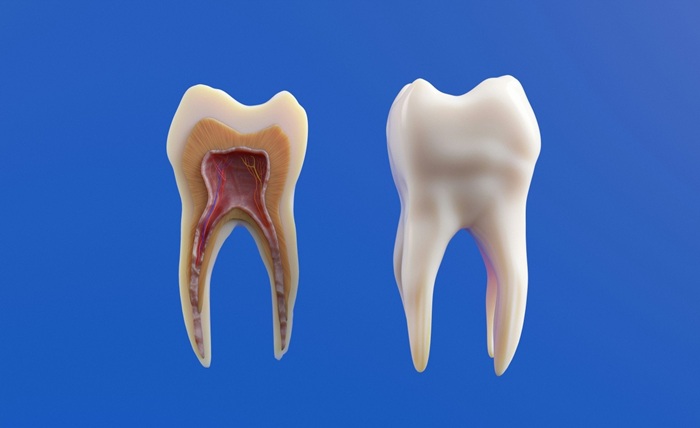
Tooth pain and sensitivity are often signs that something deeper is wrong — quite literally. Root problems in teeth can develop slowly and silently, leading to discomfort, infection, and even tooth loss if left untreated. Understanding what causes these problems and how to prevent them is key to maintaining good oral health and avoiding more serious dental treatment in the future.
In this article, we’ll explore the main causes of root problems in teeth, what symptoms to look out for, and practical ways to keep your teeth healthy for life.
What Are Root Problems?
Each tooth has a root that anchors it to your jawbone and contains nerves and blood vessels. These nerves sit in the root canal, a hollow section that supplies the tooth with nutrients. When bacteria, decay, or injury reach this area, it can cause inflammation or infection, leading to what’s often called a root problem.
The most common form of root trouble is an infection known as pulpitis or, in more severe cases, an abscess. This can develop from untreated decay, gum disease, or trauma that exposes the inner part of the tooth. If not treated, it may require a root canal treatment, which removes the infected tissue and saves the tooth.
Common Causes of Root Problems in Teeth
Root problems can start from several everyday habits or conditions. Understanding what triggers them helps you take action early and allows The Dental Revolution to prevent long-term issues.
Tooth Decay
Tooth decay is one of the biggest culprits. When plaque builds up, the bacteria it contains produce acids that slowly erode enamel — the tooth’s protective outer layer. Once decay breaches this barrier, it can spread deeper into the dentine and eventually reach the root canal. This often leads to pain, infection, and swelling around the affected tooth.
Gum Disease
Gum disease, also called periodontal disease, begins when plaque accumulates around the gumline. As it progresses, the gums pull away from the teeth, creating pockets that collect bacteria. These bacteria can reach the roots, causing infection or bone loss. Gum disease is a major cause of root exposure and tooth loss among adults.
Injury or Trauma
A fall, blow, or accident can damage a tooth, even if there’s no visible crack. Trauma can disrupt the blood supply to the root, causing the nerve to die or the root to weaken over time. Teeth that have been chipped or fractured are also more likely to develop infections because bacteria can enter through small openings.
Tooth Grinding (Bruxism)
Constant grinding or clenching wears down enamel and puts excessive pressure on tooth roots. Over time, this can cause microscopic cracks, leading to sensitivity and making the roots more vulnerable to infection. Many people grind their teeth without realising, often during sleep or times of stress.
Receding Gums
As gums recede, they expose the roots of the teeth. Unlike enamel, root surfaces are not as strong and can be easily damaged by bacteria, brushing too hard, or acidic foods. Receding gums are commonly caused by gum disease, ageing, or improper brushing techniques.
Poor Oral Hygiene
Inconsistent brushing and flossing allow bacteria to thrive in your mouth. This not only causes decay but also weakens gum health, both of which can lead to root problems. Regular dental check-ups and cleanings are essential to prevent small issues from turning into serious infections.
Symptoms of Root Problems
Root issues don’t always cause immediate pain. Sometimes, they progress quietly until an infection sets in. However, some common signs include:
- Sharp or throbbing tooth pain
- Sensitivity to hot or cold temperatures
- Swelling in the gums or face
- A persistent bad taste or odour
- Discolouration or darkening of a tooth
- A small bump or pimple-like spot on the gums (a sign of an abscess)
If you experience any of these symptoms, it’s best to see your dentist promptly. Early intervention can prevent the need for more complex procedures.
How to Prevent Root Problems
Preventing root issues largely comes down to consistent care and awareness. Here are some simple but effective ways to protect your teeth.
Maintain Good Oral Hygiene
Brush your teeth at least twice a day using fluoride toothpaste and a soft-bristled toothbrush. Clean between your teeth daily with floss or interdental brushes to remove plaque that brushing alone can’t reach. Replace your toothbrush every three months or sooner if the bristles become frayed.
Visit Your Dentist Regularly
Routine dental check-ups are crucial for detecting early signs of root problems before they cause pain. Dentists can spot small cavities, gum issues, or signs of wear that you may miss at home. Most people should visit their dentist every six months, though your dentist may recommend more frequent visits if you’re prone to decay or gum disease.
Protect Your Teeth from Injury
If you play contact sports, always wear a mouthguard to protect your teeth from trauma. For those who grind their teeth at night, a custom mouthguard can help reduce pressure and prevent long-term root damage.
Manage Gum Health
Healthy gums protect your tooth roots from exposure. Avoid brushing too hard and use a circular motion rather than a back-and-forth action. If your gums bleed when brushing, it may be an early sign of gum disease, so schedule a dental appointment to check your gum health and prevent future problems.
Eat a Balanced Diet
Foods high in sugar and acid weaken enamel and increase the risk of decay. Limit sugary snacks, fizzy drinks, and citrus fruits between meals. Instead, eat a diet rich in calcium, vitamin D, and fibre — all of which support strong teeth and gums.
Don’t Ignore Tooth Sensitivity
Sensitivity to temperature or pressure can indicate early root exposure or enamel wear. If you notice persistent discomfort, seek dental advice early. Quick action can prevent a minor issue from turning into an infection.
Treatment Options for Root Problems
If a root problem develops, treatment will depend on the cause and severity. In many cases, root canal therapy can remove infection and preserve the tooth. This procedure involves cleaning out the infected root canal and sealing it to prevent further bacteria from entering.
If the damage is too severe, extraction may be necessary, followed by replacement options like dental implants or bridges. In all cases, treating the underlying cause, whether gum disease, decay, or injury, is essential to prevent recurrence.
The Role of Prevention in Long-Term Dental Health
Preventing root problems is far easier and more cost-effective than treating them. With good oral hygiene, regular dental care, and attention to your gums, you can protect your teeth from the inside out.
Conclusion
Root problems in teeth can cause serious discomfort and long-term damage if ignored. From decay and gum disease to trauma and poor oral hygiene, several factors can lead to infections deep within the tooth. The good news is that most root problems are preventable with consistent care, routine check-ups, and attention to early warning signs.
By keeping your teeth clean, your gums healthy, and visiting your dentist regularly, you can protect the foundations of your smile and enjoy better oral health for years to come.