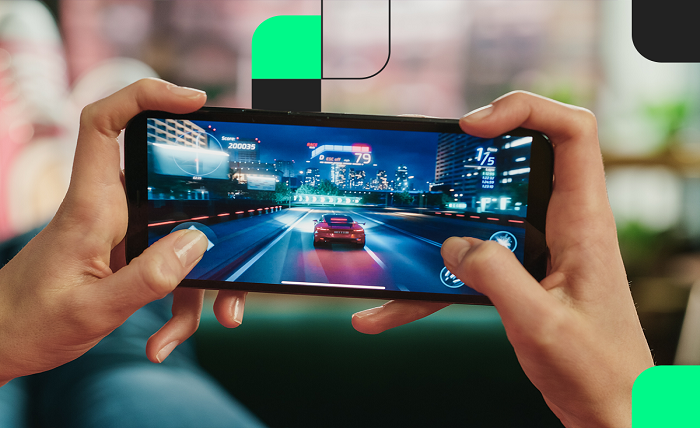
For a long time, matchday meant one place. Anfield. You got there early, found your spot, checked the teams, soaked it in. Simple enough.
That still exists, obviously. The club still structures everything around the ground, getting in, getting seated, knowing where to go, with support channels like @LFCHelp guiding people through the day. But that’s only half the picture now.
The other half sits in your pocket.
The official LFC app, especially after its 2025 update, quietly changed things. Team news drops straight onto your phone. Line-ups, stats, commentary, clips, all layered in. You don’t need to wait for anything anymore. It just arrives. And once you get used to that, you can’t go back.
The Kop is still the reference point
Nothing really replaces being there. That part hasn’t shifted.
There’s a rhythm inside Anfield that doesn’t translate cleanly to anything else, the build-up, the reactions, the way a moment spreads across the stands before you even process what happened. It’s not organised. It just… happens.
You still see people arriving early, glancing at the pitch like it might give something away. Checking line-ups in a half-distracted way. Reacting together rather than individually.
Hard to pin down exactly, and maybe that’s the point.
Funny thing is, even the online spaces try to copy it. Some Liverpool fan communities describe matchday Twitter as a kind of digital Kop, full of reactions, arguments, jokes, bits of commentary flying around. Messy, but familiar.
Watching from home doesn’t mean missing out
If anything, watching from home got busier.
You’ve got the match on one screen, obviously. But then there’s everything else layered on top. The LFC app for line-ups and stats. Notifications popping in. WhatsApp groups lighting up. Someone sending a clip before your stream catches up. It all overlaps.
Ofcom’s 2025 data backs part of this up, UK adults are spending over four hours online daily on average, mostly on phones. Platforms like YouTube, WhatsApp, Facebook, Instagram… they’re all part of the same loop now.
So you end up with this second screen setup without really planning it.
Actually, scratch that. It’s not even a setup anymore, it’s just how people watch.
Chants in the ground, chats on the phone
Inside Anfield, everything feels immediate. One reaction, thousands of voices. You don’t think about it, you just join in.
At home, it’s different. Not quieter, just split across channels.
You might have:
- the match on TV
- the LFC app open
- one or two group chats going
- social feeds scrolling
- random tabs or apps in the background
And in between all that, bits of everything pass through. Line-ups, opinions, clips, arguments, even things like YYY Casino UAE appearing in the same stream of links and distractions people flick past mid-match without thinking too much about it.
It’s chaotic. But it works.
Deloitte’s 2025 figures point in the same direction, a large share of sports fans are active in online communities, following teams, sharing content, reacting in real time. It’s not separate from the match anymore. It runs alongside it.
The club now builds for both worlds
Liverpool haven’t ignored this shift – they’ve leaned into it.
The app is built for ALL supporters around the world. In the ground, travelling, at home… doesn’t really matter. It’s all there, from live match info to personalized highlights. You don’t have to chase updates anymore.
And that changes the flow of a matchday.
You might check the team news on your phone before leaving the house. Follow the first half through updates if you’re stuck somewhere. Jump into the game properly later. Then stick around after full-time for clips, reactions, debates.
It stretches the experience out.
Something hasn’t changed, though
For all the screens and notifications, the core of it still comes back to the same thing.
The ground sets the tone. Always has.
No matter where you check your updates from, you’re reacting to what’s happening there. The second screen doesn’t replace it, it just fills in the gaps. Sometimes too much, if anything.
There’s a bit of a contradiction, though – it’s faster, easier, more connected, but also more fragmented.
Still.
When the timing’s right, when everything lines up, one goal, one reaction, one message lighting up your phone at the exact same moment as the crowd erupts, it all feels like the same place for a second, just spread out a bit.