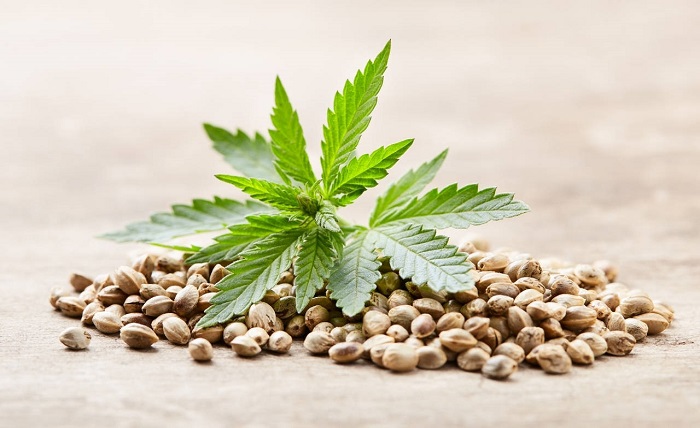
Cannabis seeds represent one of the most fascinating intersections of botany, genetics, and horticultural history. While much attention is often paid to the end product of cultivation, the seed itself is a marvel of biological engineering — carrying within it centuries of selective adaptation, environmental memory, and genetic potential that most collectors never fully appreciate.
Understanding What a Seed Actually Contains
At its most fundamental level, a cannabis seed is a dormant embryonic plant encased in a protective shell. But this description barely scratches the surface. Inside that small, hard casing lies a complete genetic blueprint — the accumulated result of generations of natural selection, deliberate breeding programmes, and environmental pressures that have shaped the plant’s characteristics over hundreds, sometimes thousands, of years.
The genetic information contained within cannabis seeds determines everything: cannabinoid expression, terpene profiles, morphology, resistance to environmental stress, flowering time, and adaptability to different growing conditions. This is precisely why experienced collectors treat genetics with such reverence — each seed is essentially a unique biological archive.
Genotype vs Phenotype: The Collector’s Dilemma
One of the most misunderstood concepts among newer collectors is the distinction between genotype and phenotype. A seed’s genotype is its fixed genetic code — the inherited instructions it carries. Its phenotype, however, is how those instructions express themselves in response to the growing environment.
This means two seeds from the same batch can produce noticeably different plants depending on variables like light spectrum, temperature fluctuations, humidity, and even the mineral composition of the growing medium. Understanding this relationship helps collectors make more informed decisions when sourcing cannabis seeds, recognising that genetic potential and environmental expression are two entirely separate considerations.
Landrace Genetics and Why Preservation Matters
Among the most scientifically valuable cannabis seeds available today are those derived from landrace varieties — strains that developed naturally in specific geographic regions over centuries without significant human interference. Durban Poison from South Africa, Malawi Gold from East Africa, and various Afghan varieties represent genetic lineages that adapted to highly specific climatic conditions.
These genetics carry traits that modern, commercially bred varieties have largely bred out — unusual cannabinoid ratios, distinctive terpene combinations, and remarkable resilience to the environmental conditions of their native regions. For serious collectors and horticulturalists, preserving access to these landrace genetics represents an important botanical responsibility.
The Role of Seed Banks in Genetic Conservation
Across the horticultural world, seed banks serve a critical conservation function — and the cannabis seeds UK market has developed a particularly sophisticated understanding of this role over the past two decades. Reputable seed banks maintain extensive collections of both contemporary and heritage genetics, ensuring that rare or unusual varieties are not lost as commercial breeding trends shift toward high-yield, fast-flowering cultivars.
The curation process behind a well-maintained seed catalogue involves ongoing dialogue with breeders globally, rigorous assessment of genetic stability, and careful storage protocols that maintain seed viability over extended periods. This level of dedication reflects the botanical significance of the work — preserving genetic diversity that simply cannot be recreated once lost.
Stability and F1 Hybrids: Reading Between the Lines
When evaluating cannabis seeds, stability is a term worth understanding carefully. Stable genetics produce consistent, predictable plants across multiple generations. F1 hybrids — the first generation cross between two stable parent lines — often exhibit what breeders call hybrid vigour, expressing enhanced growth characteristics compared to either parent.
However, F1 seeds do not breed true. Growing subsequent generations from F1 plants produces highly variable offspring, which is why collectors seeking consistency return to proven, stabilised lines rather than working with unstabilised crosses.
A Living Archive Worth Exploring
What makes the world of cannabis seeds genuinely compelling is that every variety represents a living document of horticultural history — a record of human cultivation, ecological adaptation, and botanical ingenuity stretching back further than most people realise. For those approaching the subject with genuine curiosity, the depth of knowledge available is extraordinary.