 By mason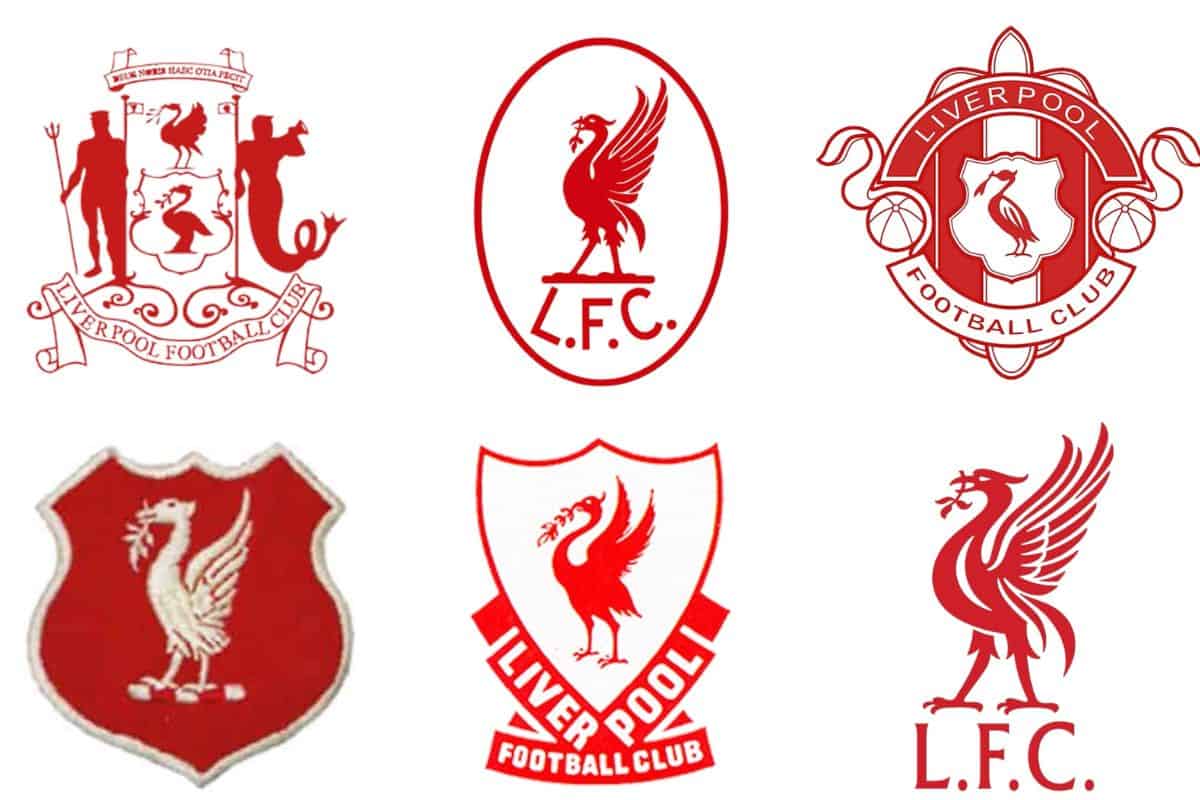
The Liverpool FC badge is more than just a football club symbol — it’s a timeless emblem that represents passion, history, and identity. Every detail of the LFC badge tells a story, from the legendary Liver bird to the Shankly Gates and eternal flames. For millions of supporters worldwide, the badge embodies pride, loyalty, and unity. Whether displayed on jerseys, flags, or scarves, the LFC badge is instantly recognizable and emotionally powerful. In this complete guide, we will explore the history, evolution, symbolism, and cultural significance of the LFC badge, as well as its role in shaping the identity of Liverpool Football Club both on and off the pitch.
The Origins of the LFC Badge
The story of the LFC badge begins in 1892, when Liverpool Football Club was founded. In its earliest days, the club didn’t have a unique badge of its own and often used the city’s coat of arms. This included two cormorant-like birds holding seaweed in their beaks, symbolizing Liverpool’s maritime heritage. Over time, the Liver bird became central to the club’s identity, eventually evolving into the heart of the LFC badge.
During the early 20th century, Liverpool began incorporating elements of the Liver bird into their kits and official documents. While it started as a simple emblem, fans quickly associated it with the club’s growing legacy. As the team achieved success domestically and internationally, the Liver bird became synonymous with victory, resilience, and pride, laying the foundation for what would become one of football’s most iconic symbols.
Evolution of the Badge Through the Decades
The LFC badge has undergone several design changes since its introduction, each reflecting a new chapter in the club’s history. Initially, the badge featured only the Liver bird in a minimalist style. In 1950, the Liver bird officially appeared on the club’s shirts for the first time during the FA Cup Final, marking a significant step in branding.
In the 1970s and 1980s, Liverpool’s dominance in English and European football led to the modernisation of the badge. A shield shape was introduced, and the Liver bird took a more defined, stylised form. The 1992 redesign — celebrating the club’s centenary — added the Shankly Gates, the club’s foundation year, and the famous “You’ll Never Walk Alone” banner. This centenary badge became the template for future versions, symbolising both tradition and progress.
The Liver Bird: Heart of the LFC Identity
At the core of the LFC badge is the Liver bird — a mythical creature that represents the city of Liverpool. This bird has been part of the city’s coat of arms since 1797 and has since become a proud symbol of identity for both the club and the community.
Unlike many other club mascots or symbols, the Liver bird is unique to Liverpool, making it deeply personal. It signifies watchfulness over the city, with local legend stating that if the two Liver birds atop the Liver Building ever fly away, Liverpool will cease to exist. For supporters, wearing the LFC badge with the Liver bird on their chest is a matter of heritage and belonging.
The Shankly Gates and “You’ll Never Walk Alone”
In 1992, Liverpool added the Shankly Gates to the badge as part of the centenary celebrations. Named after the legendary manager Bill Shankly, these gates are located outside Anfield Stadium and feature the club’s anthem, “You’ll Never Walk Alone.”
Including this element on the badge solidified the connection between the club’s identity and its supporters. It is a tribute to Shankly’s lasting legacy and the anthem that echoes through Anfield on matchdays. This combination of historical architecture and emotional music gave the badge a depth that extended beyond football — it became a symbol of community and unbreakable bonds.
The Eternal Flames: Honoring the 96 and 97
One of the most emotional elements of the LFC badge is the inclusion of the eternal flames, positioned on either side of the shield. These flames honor the 96 supporters who lost their lives in the Hillsborough disaster of 1989. Later, the number was updated to 97 to include Andrew Devine, who passed away in 2021.
The flames represent remembrance and solidarity. Liverpool Football Club ensures that this tragic part of its history is never forgotten, and placing the flames on the badge keeps their memory alive every time the team plays.
Badge Variations on Kits Over the Years
Throughout history, the LFC badge has appeared in different forms on jerseys, depending on the era and manufacturer. Some kits featured the Liver bird alone, particularly in the 1970s and 1980s, giving a clean and powerful look. Others included the full crest with Shankly Gates and flames, especially for commemorative or official occasions.
Here’s a table showing some notable badge variations:
| Era | Badge Style | Key Features | Notable Moment |
|---|---|---|---|
| 1950s–1960s | Liver bird only | Simple embroidered bird | First FA Cup Final appearance |
| 1970s–1980s | Stylized bird | Modernized outline | Period of European dominance |
| 1992–1999 | Centenary crest | Shankly Gates, banner, flames | 100-year celebrations |
| 2000s–present | Modern crest | Updated typography and details | Continued global branding |
Symbolism Behind the Colors
The dominant color of the LFC badge is red, symbolizing power, energy, and passion — qualities that define Liverpool FC. Green has traditionally been used for the Shankly Gates banner, while gold accents represent heritage and prestige.
These colors work together to create a striking and memorable emblem. The red reinforces the club’s nickname, “The Reds,” while the other tones add contrast and historical context, making the badge visually distinctive on kits and merchandise.
The Badge in European Glory
Liverpool’s European triumphs are inseparable from the image of the LFC badge. From the 1977 European Cup to the unforgettable 2005 Champions League win in Istanbul, the badge has been present on some of football’s grandest stages.
For many fans, seeing the Liver bird lifted in victory alongside the European Cup is one of the most emotional sights. The badge carries these memories, becoming a symbol of excellence and resilience on the international stage.
The Role of the Badge in Global Branding
As Liverpool FC became a global powerhouse, the badge evolved from a local emblem to a worldwide brand symbol. Today, the LFC badge is recognized across continents, featured on everything from shirts and scarves to mobile apps and sponsorship banners.
This global reach has strengthened the club’s identity. Fans from Asia, Africa, Europe, and the Americas wear the badge proudly, creating a shared visual language that connects millions of supporters.
How the Badge is Used in Merchandise
The LFC badge is at the heart of the club’s commercial strategy. It appears on jerseys, jackets, training kits, mugs, keychains, and countless other items. Collectors often seek out vintage badges from specific seasons, making them valuable memorabilia.
Licensed merchandise featuring the badge contributes significantly to the club’s revenue. Fans often buy these products not just for fashion but as a way to display their loyalty and connection to the club.
Modern Digital Uses of the Badge
In the digital age, the LFC badge is omnipresent online. It appears on official websites, social media profiles, apps, and digital tickets. It is also widely used by fan communities in profile pictures, banners, and creative edits.
This digital presence allows the badge to reach younger generations and new audiences globally, ensuring its relevance in a fast-changing world.
Fan Tattoos and Personal Expressions
Many fans take their love for Liverpool a step further by tattooing the LFC badge on their bodies. This act is more than decoration — it’s a permanent declaration of loyalty. Common tattoo designs include the Liver bird, the full crest, or personalized versions incorporating dates and names.
These tattoos are a testament to the emotional bond between the club and its supporters. They show how the badge transcends being a mere graphic and becomes a lifelong symbol of identity.
Iconic Moments Associated with the Badge
Over the decades, several unforgettable moments have been immortalized with the badge at the center. From Steven Gerrard kissing the badge after scoring crucial goals to fans holding banners adorned with it during European nights, these acts reinforce its significance.
Each generation adds new layers of meaning, ensuring the badge remains a living part of Liverpool’s evolving story.
Comparison with Other Football Club Badges
Liverpool’s badge stands out among other football club emblems for its unique combination of history, symbolism, and emotion. While many clubs use animals or shields, few incorporate city emblems, memorial flames, and architectural features like the Shankly Gates.
This complexity makes the LFC badge one of the most meaningful in world football, balancing tradition with modern branding.
Caring for LFC Badge Merchandise
Fans who collect merchandise featuring the badge often want to keep it in pristine condition. Proper care involves gentle washing of jerseys, avoiding ironing directly on the badge, and storing memorabilia in protective covers.
Taking these steps preserves the vibrant colors and detailed embroidery, ensuring the badge remains as striking as the day it was bought.
How to Identify Authentic LFC Badges
Due to its global popularity, counterfeit badges are common. Authentic LFC badges have fine embroidery, accurate typography, official holograms, and high-quality materials. Fans should always purchase from trusted retailers or the club’s official store.
By supporting official merchandise, fans not only ensure quality but also contribute to the club’s success.
Conclusion
The LFC badge is far more than a football crest. It is a symbol of heritage, unity, and passion that connects millions of supporters around the world. From its humble beginnings with the Liver bird to its current iconic form, every element of the badge carries deep meaning. Whether worn on the pitch, displayed on merchandise, or shared online, the badge continues to inspire generations of Liverpool fans.
FAQs
What does the Liver bird on the LFC badge represent?
The Liver bird represents the city of Liverpool and is a symbol of identity and pride.
Why are there eternal flames on the badge?
The eternal flames honor the 97 supporters who lost their lives in the Hillsborough disaster.
Has the badge changed over time?
Yes, the badge has undergone several redesigns to reflect new eras, including the centenary version in 1992.
What colors are used in the badge and why?
Red represents power and passion, while green and gold symbolize heritage and tradition.
Is the Liver bird real or mythical?
The Liver bird is a mythical creature and the emblem of the city of Liverpool.
When was the Liver bird first used on a shirt?
It first appeared on a Liverpool shirt in 1950 during the FA Cup Final.
Why do fans get LFC badge tattoos?
Tattoos are a personal way for fans to show lifelong loyalty and emotional connection to the club.
Can you buy authentic LFC badges online?
Yes, through the club’s official store and trusted retailers.
Is the badge used differently for digital media?
Yes, the badge is adapted for websites, apps, and social media to maintain its visibility and impact.
What makes the LFC badge unique compared to other clubs?
Its combination of historical symbols, memorial flames, and architectural elements makes it distinct.